News Sources
Globes (98 most recent articles)
Nvidia has signed a 10-year lease for a new 11-floor building in Yokneam, expanding its office space in northern Israel. The deal will increase Nvidia's total leased area in Ofer Park to 67,000 square meters. This move is part of Nvidia's broader expansion across Israel.
Tel Aviv's main indices fell sharply, led by declines in defense stocks and major companies like Teva. Real estate shares posted gains, while the shekel weakened against major currencies.
NewMed Energy's drilling at the Vinekh prospect in Bulgaria ended without finding natural gas, causing its share price to fall. Focus now turns to the promising Krum reservoir, where drilling will begin soon.
Bank gains offset sharp declines in software stocks, leaving the Tel Aviv Stock Exchange flat. Major software firms saw steep losses, while Gilat Satellite Networks rose on a new order.
Shimie Hortig has been named the next chief executive of Amdocs, replacing Shuki Sheffer in March. The leadership change follows strong quarterly results and new business agreements for the company.
Israel and the US are pushing ahead with major solar energy projects, including Israel's largest solar facility and a massive new complex in Arizona. These developments mark significant steps forward in renewable energy production and storage.
The Tel Aviv Stock Exchange opened February with strong gains, led by Teva and insurance stocks. Key indices reached record highs, while Camtek and Nova shares fell sharply.
A falling shekel-dollar exchange rate is squeezing Israeli technology companies, eroding their capital and forcing tough decisions on staffing and expenses. Most firms cannot easily switch to raising funds in shekels, leaving layoffs and cost-cutting as likely outcomes.
Israelis are losing wealth by keeping large sums in bank accounts, as inflation erodes their value. Experts urge investing in assets to protect purchasing power and grow savings over time.
The Knesset approved the first reading of the 2026 state budget, which now faces committee debate and potential changes. If not passed by March 31, the Knesset will be dissolved and elections held. The budget includes major increases for defense and several controversial reforms.
The Tel Aviv Stock Exchange ended lower, led by declines in Teva and major financial stocks. Next Vision posted the largest drop, while Gilat Satellite Networks rose. Currency markets saw mixed movements for the shekel.
BioProtect, an Israeli medical device company, is set to be acquired for $200 million by a strategic investor. The company developed an implant to protect healthy tissue during radiation therapy and recently received regulatory approval. Almeda Ventures, a minority stakeholder, will benefit significantly from the deal.
Israeli small towns are set to become cities as they more than double in size, facing major urban planning and management challenges. Experts urge careful, staged development to maintain community character and service quality.
Israel's major airlines have introduced temporary flexible ticket policies in response to increased demand and ongoing security concerns. Passengers can now cancel or postpone flights more easily, with specific terms varying by airline.
A state commission has found systematic failings in Israel's military procurement, criticizing government oversight and recommending major reforms. The report highlights chaotic decision-making, implicates senior officials, and calls for new procedures to safeguard national security.
Israel's debt-to-GDP ratio rose to 68.6% in 2025 due to war-related costs, remaining below forecasts but still high. Officials warn that reducing the ratio will be challenging without stricter fiscal discipline.
A North American businessperson and his family have rented a luxury Tel Aviv apartment for NIS 100,000 per month. The deal underscores strong demand for high-end properties among international buyers. The tenants will also pay substantial management fees and municipal taxes.
Israeli financial planning company Datarails has raised seventy million dollars in new funding, bringing its total to one hundred seventy-five million dollars. The company plans to expand its operations and invest in research and development following strong growth.
Stratasys shares rose after Subaru used its 3D printers to halve assembly line tool development time. The company's stock is up 29% this year, benefiting its largest shareholder, Fortissimo.
Assets managed by Israeli financial institutions have doubled in under seven years, now exceeding NIS 4 trillion. This growth has driven record highs on the Tel Aviv stock exchange and boosted the market values of leading companies.
Inflation in Israel reached 2.6 percent in 2025, with home prices rising after eight months of declines. Rents and several consumer prices also increased, while some categories saw decreases.
Israeli banks are increasing profit margins on new mortgages despite recent interest rate cuts, limiting the benefit to borrowers. More households are taking on larger, longer-term mortgages, prompting a government proposal for mortgage payment assistance.
The Tel Aviv Stock Exchange hit new highs today, led by banks and insurance stocks, while tech shares like Camtek fell. Trading volumes were strong and currency rates remained mostly stable.
Fox Wizel will open a large Jumbo Greece store in Rishon LeZion in 2026, expanding its retail presence in Israel. The new branch will offer a wide range of affordable products and international brands. Local officials and executives say the project reflects confidence in the city's commercial growth.
Rami Levy is seeking approval to offer payment services and digital accounts through its finance unit. If successful, the supermarket chain could expand into consumer loans and digital banking. The regulatory process is ongoing and may take several years.
Israeli defense technology firms are seeing record interest in the US, prompting experts to discuss strategic opportunities and regulatory challenges. The panel emphasized careful planning, independent US operations, and early engagement with American banks. These trends reflect a major shift in how Israeli companies enter and operate in the US market.
Israel's fiscal deficit ended 2025 at 4.7% of GDP, lower than forecast and last year's figure. Increased revenues from taxes and legislative changes helped offset high war expenses. Officials warn the deficit remains elevated and will not reduce the debt ratio.
Eilat Port remains nearly empty, with commercial activity stalled despite the end of the war. Government and port officials are debating how to revive operations as revenue and ship arrivals have plummeted. Experts warn the port is unsuitable for container shipping and best used for vehicle imports.
Israel's Tax Authority is demanding billions in taxes from Wiz, arguing its intellectual property should be taxed in Israel. Wiz maintains its assets are based in the United States, sparking a major dispute as Google finalizes its acquisition.
A roundup of recent apartment and house sales in several Israeli cities reveals a wide range of property sizes and prices. The deals were reported by the Israel Tax Authority.
Elbit Systems and Azrieli led gains as the Tel Aviv Stock Exchange hit new records. The shekel weakened slightly against major currencies.
Mobileye is acquiring Mentee Robotics for $900 million in a deal approved by Intel. The purchase includes both cash and shares, with founders and major investors set to benefit. The announcement was made at the CES trade show in Las Vegas.
The Tel Aviv Stock Exchange hit new record highs today, with major indices rising sharply. Mega Or Holdings soared after announcing a significant data center deal.
Israel is set to offer dollar bonds abroad amid falling risk premiums and strong investor interest. The bond sale aims to take advantage of improved market conditions and is expected to raise an amount similar to last year's five billion dollars.
The Tel Aviv 35 Index hit a new record as construction stocks surged, though banks slipped after a surprise rate cut. Trading volumes were high and the shekel weakened against major currencies.
Palo Alto Networks is negotiating to acquire Israeli cybersecurity firm Koi Security for around $400 million. The deal would be the company's first major Israeli acquisition since its founder stepped down last year.
NewMed Energy faces a $198 million tax bill after Israeli authorities found it underreported income. The partnership disputes the assessment and plans to challenge it in court.
Israeli startups raised $1.5 billion in December, pushing 2025's total funding above $10.5 billion. Major investments went to cybersecurity, cloud backup, and mental health companies.
Israel Aerospace Industries will pay the state a $242 million dividend after a year of record profits and orders. Other defense firms are also boosting payments, prompting renewed discussion of privatizing the company.
The Tel Aviv 35 Index ended the year with a 51% gain, despite falling on the last trading day. The local currency also strengthened slightly against the dollar and euro.
Arieli Innovate, Gevasol Group, and the Gilboa Regional Council will launch Gilboa Nexus, a new industrial innovation center in Israel's Gilboa region. The center will accelerate advanced manufacturing technologies and aims to position the area as a hub for smart industry and economic growth.
Abou Family Residence has bought 40 apartments in Tel Aviv's Da Vinci Towers, half of which were damaged by a missile, for NIS 61.5 million. The deal reflects reduced prices and significant renovation challenges, but the developer sees strong potential in the rental market.
Israel remains at the bottom of the Nation Brands Index, with its score declining further. The survey shows growing criticism of both the state and its citizens, prompting a new initiative to improve Israel's global reputation.
Tel Aviv stocks tumbled, led by steep declines in insurance and banking shares. Analysts view the drop as a natural correction after strong gains, with fundamentals seen as unchanged. Some experts see the downturn as a potential buying opportunity.
Israel, Greece, and Cyprus plan to link Israeli gas fields to liquefied natural gas facilities in Cyprus, boosting energy exports. The move is part of broader cooperation amid regional tensions with Turkey.
The Israel Competition Authority may fine El Al for alleged price gouging during the war, following an investigation into its market conduct. El Al denies wrongdoing and says its pricing was restrained, with further hearings to determine the final outcome.
Israel's finance minister has proposed a 15% tax on bank super profits, higher than expert recommendations. The banking association warns the move could hurt the public and the economy.
The Tel Aviv Stock Exchange saw gains led by Teva and Bezeq, while Next Vision fell sharply. Major indices closed higher and trading volumes were strong.
SolarEdge's stock and business are rebounding after a dramatic decline, driven by new management and strategic changes. Despite ongoing skepticism from analysts, the company is showing positive cash flow and exploring new growth opportunities in data centers.
Dorad has resolved legal disputes and is now back in the race to build one of Israel's limited new private power plants. With only three slots available and four companies competing, the competition is fierce and could impact electricity prices and construction timelines.
Tel Aviv's main indices ended the week higher, driven by gains in banking and technology shares. The shekel edged lower against major currencies, while several energy and tech stocks saw significant moves.
Germany boosts its investment in the Arrow 3 missile defense system, making it Israel's largest defense deal. The expanded agreement will increase production and strengthen Germany's air defense.
Elbit Systems' mystery $2.3 billion customer has been identified as the United Arab Emirates. The deal, shrouded in secrecy, is among the largest ever for an Israeli defense company. It reflects a trend of major international contracts for Israeli defense technology.
Israel's inflation rate continues to fall, with the Consumer Price Index dropping 0.5% in November 2025. Home prices have also declined for the eighth month in a row, though regional differences remain.
Major stocks fell on the Tel Aviv Stock Exchange, led by Delek and NewMed Energy. Next Vision rose despite the market trend. The shekel weakened against the dollar and euro.
A roundup of recent apartment sales across Israel highlights varying prices in cities such as Tel Aviv, Bat Yam, Or Yehuda, Shlomi, and Ashkelon. The deals reflect a dynamic property market with significant regional differences.
Boston Scientific will close its Galil Medical facility in Israel and move operations to Ireland by 2028, affecting about 100 employees. The company says it remains committed to its investments in Israel's medical technology sector.
Port raises $100 million at an $800 million valuation to advance autonomous engineering in software development. The company has seen rapid growth and serves major international clients.
The Tel Aviv Stock Exchange rose for a fifth straight session, led by gains in Tower and insurance stocks. Major indices posted increases, while ICL declined. The shekel strengthened against both the dollar and the euro.

Israel will require rooftop solar panels on all new houses and some large buildings from December 2025. The regulation aims to boost renewable energy production and offers financial incentives for homeowners. Exemptions apply to certain building types.
A new report claims foreign investment in Israel surged in early 2025, but the Ministry of Finance's own data shows a decline. The contradiction stems from different measurement methods and the impact of large, one-off deals.
Israel Police will install new smart speed cameras that track average speed over long road sections, replacing current spot-speed cameras by 2026. The move aims to modernize enforcement and is expected to increase the number of speeding tickets issued.
Israeli startup Tailor Brands has reinvented itself as a leading platform for business registration and compliance, helping thousands of new entrepreneurs in the US. Amid widespread layoffs and the rise of AI, the company is growing rapidly by supporting the self-employment boom. Its streamlined digital services have made it a major player in the shift toward independent work.
The shekel has surged to its strongest level against the dollar in over three years, driven by expectations of a United States interest rate cut and robust economic indicators in Israel. Analysts cite increased foreign investment and stable local conditions as key factors.
Talks on renewing United States military aid to Israel are becoming urgent as the current agreement nears expiration. Both sides face political and economic challenges, with changing priorities in Washington and growing debate over the nature of future cooperation.
The Mullings Group, a top US medtech recruiter, has opened an Israeli branch to help local companies hire American executives. Founder Joe Mullings discusses the cultural and practical challenges Israeli startups face when entering the US market. He and his partner Ido Hadari aim to change industry perceptions about the need for Israeli CEOs to relocate to the US.
Wiz will lease discounted office space in Tel Aviv's Landmark 2 tower as part of a Cyberstarts initiative to cluster portfolio companies. Some startups are hesitant to join, citing competition and building concerns.
Israel has delivered its Arrow 3 missile defense system to Germany on time, despite ongoing conflict. The system is now operational, strengthening defense ties and air protection in Europe. The deal marks a major milestone for both countries.
The Tel Aviv 35 Index soared to a new record, led by gains in Tower and Camtek. Trading was strong across equities and bonds, while the shekel weakened against major currencies.
Israel is close to approving a major gas export deal with Egypt, provided domestic gas prices are lowered. The move could reduce electricity costs in Israel and follows international pressure to finalize the agreement.
Shufersal and Tower led gains on a mixed Tel Aviv Stock Exchange, while Elbit Systems declined. The shekel weakened against both the dollar and the euro.
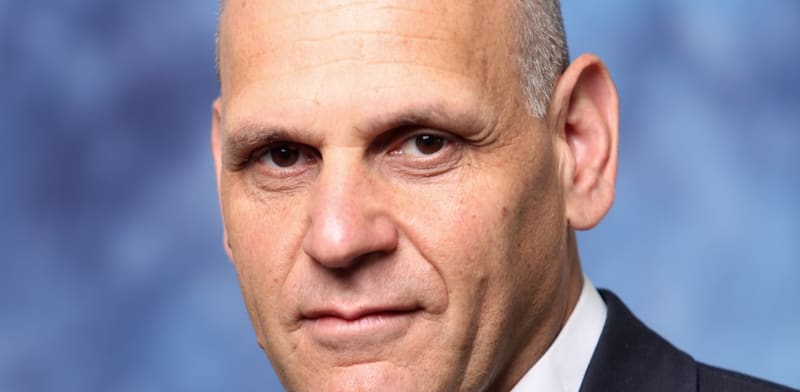
Dalia Korkin led Amal and Beyond Group to a 2.6 billion shekel public offering after years of rapid growth. The company, a major provider of nursing services in Israel, faces new challenges following recent regulatory changes.
Israel's power plant construction is delayed due to a global turbine shortage, raising costs and threatening competition. Consumers may face higher electricity prices until new plants are operational after 2030.
Tel Aviv's main stock indices fell today, with steep declines for insurance companies and mixed results among leading stocks. The shekel weakened slightly against major currencies.
Tel Aviv stocks surged after an interest rate cut, with real estate shares leading gains. The shekel strengthened slightly against major currencies, and trading volumes were high.
The Phoenix Holdings chief executive urges Israel to set clear values and invest strategically, while highlighting the company's role in boosting competition and growth in the financial sector. He remains optimistic about the country's economic prospects and the potential for greater consumer benefits.
Check Point's Gil Shwed warns of a disconnect between cybersecurity stock valuations and real-world value, while highlighting artificial intelligence's growing role in the industry. He discussed the company's recent acquisition and his satisfaction with stepping back from daily management.
Boston-based Battery Global Advisors is buying a 20 percent stake in Anan Data Centers at a 1 billion shekel valuation. The investment will help the company expand its data center projects in Israel.
Germany is negotiating with Israel Aerospace Industries for more Arrow 3 interceptors and an extension of its Heron drone program. The talks come as Germany strengthens its air defense amid rising security concerns in Europe. These deals mark deepening defense cooperation between Germany and Israel.
First International Bank will sell its stake in CAL-ICC for up to 1.1 billion shekels, pending regulatory approval. The deal could bring a substantial profit to the bank if completed.
The Tel Aviv Stock Exchange closed sharply lower, with major indices falling around 2 percent. The shekel weakened against key currencies, while a few companies bucked the downward trend with gains.
A seafront apartment in Tel Aviv's SIX 8 tower has sold for NIS 58 million, setting a new benchmark for luxury real estate in Israel. The tower, still under construction, is located in one of the city's most expensive areas.
Nvidia, Sheba Medical Center, and Mount Sinai Hospital are partnering to use artificial intelligence to decode the human genome. The initiative aims to unlock new insights into disease and health, with each partner contributing unique resources and expertise.
Mizrahi Tefahot Bank posted a third quarter profit of NIS 1.5 billion and will distribute half to shareholders. The bank saw double-digit growth in public credit and business lending, while maintaining a strong position in the mortgage market.
Elbit Systems surged after a major deal, but Nice and banks declined on a mixed day for the Tel Aviv Stock Exchange. Indices moved in different directions, and trading volumes remained high.
Itron is acquiring Israeli startup Locusview for $525 million in a deal expected to close in early 2026. Locusview's investors stand to gain significantly, and the acquisition aims to boost digital transformation in infrastructure management.
Ysrael Gurt, co-founder of Reflectiz, rose from self-taught programmer in a religious community to a leading figure in website security. He balances his high-tech career with a traditional lifestyle and aims to normalize the presence of religious entrepreneurs in the industry.
Chinese companies continue to win major infrastructure contracts in Israel, often by partnering with private firms. This trend persists despite Western concerns and increased scrutiny of foreign investments in strategic sectors.
Israel's economy grew by 12.4% in the third quarter of 2025, rebounding from a contraction caused by conflict. Growth was driven by strong gains in consumption, business activity, and investment.
Wonder Robotics will debut its new Prodigy assault drone, capable of vertical and horizontal attacks, at an exhibition in Tel Aviv. The drone uses advanced autonomous navigation and is being evaluated by security forces. The company is also enhancing its autonomous landing system for maritime use.
The Tel Aviv Stock Exchange rose today, led by gains from Tower and Nice, while Camtek declined. The shekel weakened against both the dollar and euro.
Israeli venture capital fundraising has rebounded, with $1.37 billion in new funds announced since the end of the war. Revised data shows $1.61 billion raised so far this year, signaling renewed growth in the sector.
Kazakhstan has joined the Abraham Accords, aiming to upgrade its security and economic ties with Israel and the United States. The move reflects Kazakhstan's strategy to balance global interests and attract investment, while impacting regional defense markets. The decision also highlights Kazakhstan's growing importance as a strategic partner in Central Asia.
Airfares from Israel have dropped sharply for European destinations but risen for long-haul flights, as more airlines resume service and demand shifts. Overall, ticket prices are about 5 percent higher than last year. Travelers are showing increased interest in city destinations ahead of the holidays.
Teva's strong third quarter results boosted the Tel Aviv Stock Exchange, despite declines in Elbit and the banks. The shekel also gained ground against major currencies.
New York's mayor-elect Zohran Mamdani plans to review the partnership between Cornell University and the Technion at the Cornell Tech campus. The Technion responded by stressing the campus's economic and technological contributions to the city.